

Buying a Property in Punta Cana with Bitcoin or Cryptocurrencies: Legal and Tax Guide for 2026
The global financial system has shifted dramatically, and the luxury real estate sector in the Caribbean is keeping pace. The Dominican Republic has established itself as one of the most open and advanced destinations for integrating digital assets into real estate. If you are looking to diversify your portfolio, buying a property in Punta Cana with Bitcoin or cryptocurrencies is a fully viable, secure, and rapidly expanding alternative in 2026.
However, executing a transaction of this magnitude requires understanding that it is not a simple virtual wallet transfer. To guarantee the legal security of your investment, it is essential to understand the step-by-step legal process, local tax implications, and the financial mechanisms that validate the operation before regulators.
Featured Crypto-Investment Project: Larimar City

Through our specialized division focused on digital and asset-backed wealth [RWA, Bitcoin], we structure a transparent, secure, and legally audited purchasing process. Blockchain technology allows you to diversify your crypto earnings and consolidate them into high-yield tangible real estate assets without the need for costly international bank conversions, protecting your capital in the Caribbean’s most dynamic environment.
- Development Name: Larimar City Resort
- Prices: Starting from $130,000 USD
- Developer / Construction Firm: CLERHP Estructuras
- Location: Farallón de Verón, Punta Cana (panoramic views of the Caribbean)
- Concept: The Caribbean’s First Smart City (Residential, Hotel, and Commercial)
- Unit Types: 1, 2, and 3-bedroom apartments (furnished options available)
- Tax Incentive: Approved under the CONFOTUR Law (15-year exemption from IPI and 0% Transfer Tax)
- Key Amenities: Golf course, boardwalk with restaurants, beach-style pools, shopping center, and sports areas
- Delivery Date: Progressive handovers through 2030
The Legal Framework: Is It Legitimate to Use Bitcoin and Cryptocurrencies in the Dominican Republic ?
One of the primary questions from international investors is whether Dominican regulations support these operations. The short answer is yes, but with very strict contractual nuances. Local legislation does not recognize cryptocurrencies as legal tender, meaning the Central Bank neither issues nor guarantees them.
Consequently, the process of buying a property in Punta Cana with Bitcoin or cryptocurrencies is not formally executed as a “direct BTC sale,” but rather under the legal framework of an asset exchange (barter) or through an authorized payment processor that settles the transaction in traditional fiat currency, such as the US Dollar ($USD).
The leading developers and promoters in the tourist zone already maintain alliances with regulated international payment gateways. These platforms receive your digital assets, execute an instant conversion to dollars, and transfer the funds to the project’s escrow account, legally safeguarding the transaction.
The Step-by-Step Process: Structuring the Operation in 2026
If you decide to take the plunge and buy a property in Punta Cana with Bitcoin or Cryptocurrencies, the transaction must follow a structured protocol to comply with international compliance and anti-money laundering (AML) regulations:
- Selection of a Crypto-Friendly Project: It is essential to work with developers who have pre-structured contracts for digital asset transactions and utilize institutional payment gateways.
- Compliance with KYC and AML Policies: You will need to undergo a Know Your Customer (KYC) audit and demonstrate the legitimate origin of your crypto funds. This involves providing exchange transaction histories or the traceability of the wallet where capital gains were generated.
- Signing the Promise of Sale Contract: The purchase agreement will be drafted and registered in US Dollars ($USD), specifying the payment clause through the authorized crypto processor and fixing the exchange rate at the exact moment of the transfer to avoid market volatility.
- Fund Transfer and Settlement: You send your digital assets to the processor’s multi-signature address, which settles them in fiat within minutes. The receiving bank then issues the payment certification required to process your title deed.
Taxation and Incentives: The Impact of the CONFOTUR Law
The tax burden is a critical factor when calculating acquisition costs. When buying a property in Punta Cana with Bitcoin or Cryptocurrencies, real estate tax obligations in the Dominican Republic are identical to those of a fiat-based purchase.
As a general rule, buyers must cover a 3% Real Estate Transfer Tax and a 1% annual Property Tax (IPI). However, the real draw for wealth investors in 2026 lies in selecting developments covered by the CONFOTUR Law.
If the real estate development you choose holds this tourism certification, tax benefits apply directly to your investment—completely eliminating the initial 3% transfer tax and exempting you from the annual 1% IPI tax for up to 15 years. This means you can liquidate your crypto gains directly into a Caribbean real estate asset and shield your net cash flow from tax liabilities for over a decade.
Emerging Investment Models: Real Estate Tokenization
The Punta Cana market has matured toward absolute digitization. Beyond acquiring a full unit traditionally, 2026 has brought the rise of real estate tokenization.
If you want to buy a property in Punta Cana with Bitcoin or cryptocurrencies but prefer to diversify your capital rather than purchasing a single apartment, tokenization allows you to buy fractions (tokens) of residential or commercial real estate assets within advanced master-planned developments like Larimar City. Each token represents a participation share in the property that generates automatic returns from vacation rentals and capital appreciation, lowering financial entry barriers and complex notarization steps.
Buying a Property in Punta Cana with Bitcoin OR Cryptocurrencies: Security First
Investing in Caribbean real estate using digital assets is a brilliant financial strategy to lock in capital gains within a high-demand, high-yield, dollarized market. By buying a property in Punta Cana with Bitcoin or Cryptocurrencies under a proper legal structure, you transform a highly volatile asset into high-end, tangible real estate. To ensure total success, always secure the backing of a local law firm specializing in real estate law and tech regulations, and prioritize established developers that operate with transparent, institutional payment gateways.
Would you like to review available units or specific tokenization options within Larimar City for your portfolio?

Living in Cap Cana
What Is It Like Living in Cap Cana? Essential Services & Exclusivity for Residents Punta…

Property Buying Process
How Long Does the Property Buying Process Take in Punta Cana? Realistic Timelines One of…

Non-Resident Mortgage in Punta Cana
Can a Non-Resident Get a Mortgage on a Property in Punta Cana? (2026 Guide) One…
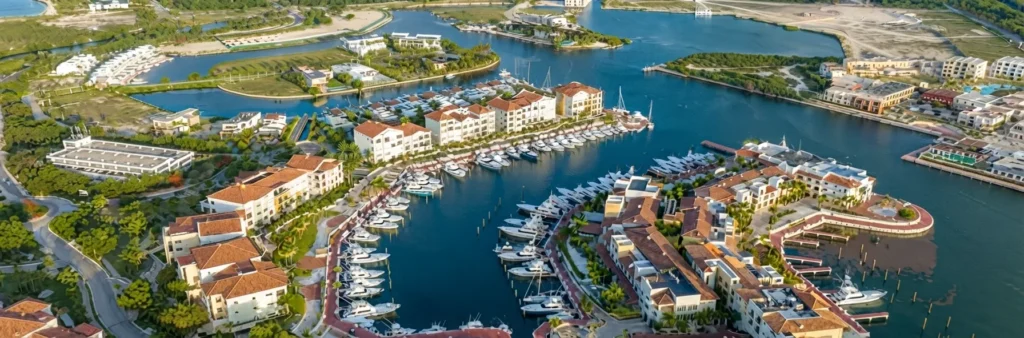
Marina Cap Cana Yachting
Marina Cap Cana: The Ultimate Caribbean Luxury Marina, Yachting Hub, and Real Estate Investment Destination…
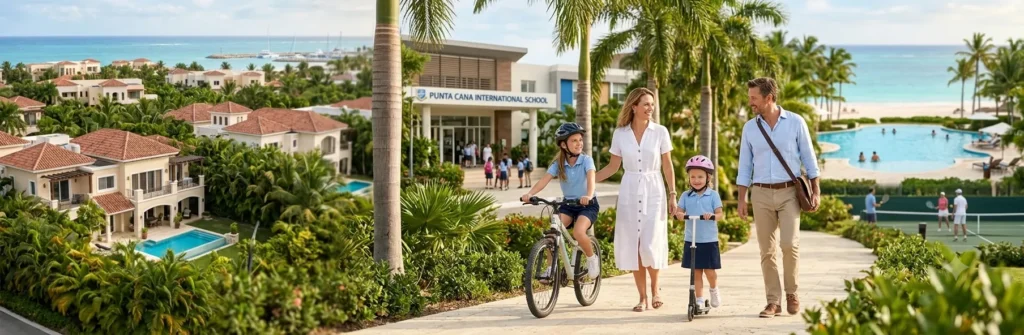
Punta Cana for Families
Punta Cana for Families: Schools, Safety, and Why Expats Are Relocating The dream of raising…
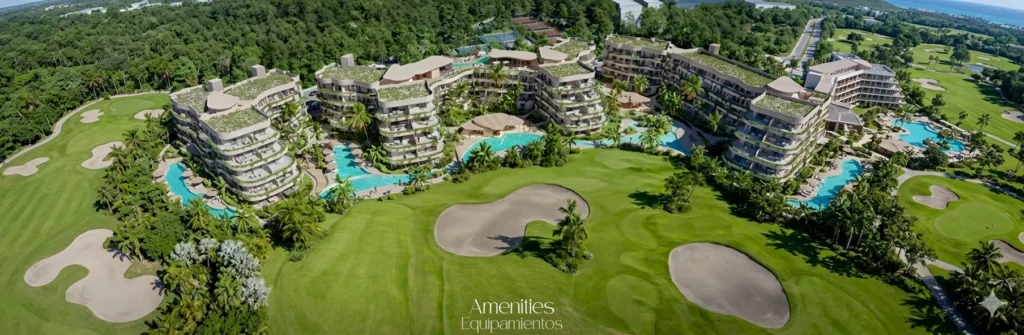
Costs of Buying an Apartment
Costs of Buying an Apartment in Punta Cana: Taxes, Hidden Fees, and Net Profitability Are…