Most Common Mistakes When Buying Property in Punta Cana
Acquiring an off-plan apartment in Downtown or a luxury villa in Cap Cana is one of the most rewarding financial decisions an international investor can make. The vibrant tourism dynamics of the eastern region of the Dominican Republic, combined with the major tax exemptions offered by the Confotur Law, create an ideal scenario for dollarizing capital and achieving solid returns.
However, operating in a foreign real estate market means playing under local rules that many international buyers are unfamiliar with. Enthusiasm for securing a piece of Caribbean paradise often leads buyers to overlook critical technical, financial, contractual, and legal details.
To fully protect your equity, we candidly break down the most common mistakes foreign buyers make when Buying Property in Punta Cana and explain exactly how to avoid them.

1. Relying Solely on 3D Renders and Failing to Audit the Developer
The classic mistake Buying Property made by remote buyers is falling in love with 3D renderings, drone videos, and digital marketing brochures without investigating the construction company’s actual track record.
- The Risk: In fast-growing markets, inexperienced developers or firms lacking sufficient financial backing can emerge. This often leads to severe delivery delays, lower-quality finishes than promised, or, in the worst-case scenario, stalled projects due to liquidity shortages.
- How to Avoid It: Before transferring a reservation fee for an off-plan project, demand the developer’s track record. What other projects have they delivered in the area? Did they meet their deadlines? A established builder with transparent accounts and a solid local reputation is the best guarantee for your investment.
2. Buying Property Failing to Verify Official Confotur Law Certification
The Confotur Law is the country’s primary investment magnet (exempting buyers from the 3% property transfer tax and the 1% annual property tax, or IPI, for up to 15 years). Many buyers casually assume that simply because a property is located in a tourist area, all projects automatically come with this benefit.
- The Risk: Signing a contract believing you are tax-exempt, only to discover at closing that the project did not qualify or that the developers never completed the application with the Ministry of Tourism. This drastically alters your net ROI projections and forces you to absorb unexpected costs.
- How to Avoid It: Do not settle for verbal promises or the Confotur logo on a sales brochure. Your legal team must formally request the official Resolution from the Tourism Development Council (CONFOTUR) certifying that the specific project and unit are approved and active under the law.
3. Foregoing an Independent Local Real Estate Attorney
Some investors try to minimize costs by delegating legal reviews to the developer’s in-house legal team or by using generic online contracts.
- The Risk: The developer’s attorney is hired to protect the developer’s interests, not yours. Signing without independent due diligence exposes you to contracts with unbalanced penalties or units with underlying title registration issues on the original land.
- How to Avoid It: Hiring an independent law firm with a physical office in Punta Cana is essential. They will audit the land status, municipal permits, environmental compliance, and structure your purchase (whether as an individual or through an LLC) securely.
4. Accepting Purchase Agreement Contracts Without Reciprocal Delay Penalties
When buying off-plan property, the Promise of Sale contract governs both parties’ rights and obligations throughout the construction period. A recurring mistake is signing asymmetric contracts.
- The Risk: Contracts often include strict penalties for buyers if a installment payment is late by even a single day, but fail to outline enforceable financial compensation if the developer is six months or a year late in delivering the property. This leaves you unprotected and delays your short-term rental cash flow without compensation.
- How to Avoid It: Your attorney must negotiate the inclusion of a reciprocal delay penalty clause. If the developer exceeds the standard grace period for delivery (typically 90 to 180 days), they should pay you a monthly percentage or a fixed penalty to cover the lost rental income during those months.
5. Ignoring International Wire Fees and Exchange Rates
Transferring capital from bank accounts in the United States, Europe, or Canada to the Dominican Republic involves operational expenses that many investors fail to include in their initial budget.
- The Risk: Sending direct wire transfers through traditional commercial banks that charge high hidden fees or unfavorable exchange rates between Euros, Canadian Dollars, and US Dollars (the currency in which real estate transactions are executed). Over a 24-month payment plan, these hidden fees can result in thousands of dollars in hidden losses.
- How to Avoid It: Coordinate the most efficient transfer route with your bank and the project’s escrow account. Consider using specialized international foreign exchange brokerages that offer real interbank exchange rates and low fixed fees for international real estate transfers.
6. Underestimating Fixed Operating Costs in ROI Calculations
A common financial misstep when buying property is calculating return on investment using a simplified formula: “Estimated Airbnb income minus acquisition cost.”
- The Risk: Forgetting that active vacation rental management involves ongoing fixed expenses that impact cash flow: Homeowners Association (HOA) maintenance fees, local property management agency commissions, property insurance, and electricity costs (privately and efficiently managed by CEPM).
- How to Avoid It: Always request a multi-scenario financial projection (conservative, moderate, and optimistic) itemizing all actual operational costs in the Punta Cana market. True ROI should always be calculated on a net basis.
7. Neglecting Insurance Policies and Co-Ownership Coverage for Weather Contingencies
When purchasing coastal property in tropical environments, risk management and physical asset protection against regional weather events are essential considerations.
- The Risk: Buying into a community where the condo administration lacks a robust master insurance policy for common areas covering hurricanes or flooding, or failing to purchase individual insurance for the contents of your property. If an incident occurs, special assessments to repair common areas can erode your annual yields.
- How to Avoid It: Ensure the project’s condominium regulations mandate comprehensive catastrophic insurance coverage for common areas. Additionally, once the unit is delivered, secure an individual homeowner policy (property and contents) to protect your furniture, appliances, and internal finishes.
8. Buying Out of “Vacation Impulse” Rather Than Search Intent
Many foreign buyers purchase an apartment in a secluded location simply because they enjoyed the beach there during a holiday, without evaluating the urban dynamics once the complex operates at full capacity.
- The Risk: Purchasing in an isolated location without commercial infrastructure, healthcare access, leisure options, or walkable amenities can cause your annual occupancy rates to drop significantly outside peak season. This limits your market to narrow niches and reduces liquidity for future resale.
- How to Avoid It: If you are seeking yield, buy with an investor mindset rather than a tourist perspective. Strategic locations such as Downtown Punta Cana or master-planned gated communities featuring lakes, golf courses, and co-working spaces help sustain year-round tenant demand from vacationers and digital nomads.
Information Is Your Best Financial Shield Before Buying Property
Purchasing property in Punta Cana can be a sound equity strategy when executed with technical rigor, independent legal counsel, and verified market data. Mistakes in international real estate do not happen due to a lack of opportunities, but due to a lack of proper guidance before making the initial deposit.
At Punta Cana Top House, we act as your on-the-ground investment consultants. We vet developers, verify tax certifications for off-plan projects, and guide you alongside local professionals to ensure your buying experience is transparent, secure, and profitable.
Contact us today through our official channels to consult on purchasing property in Punta Cana.
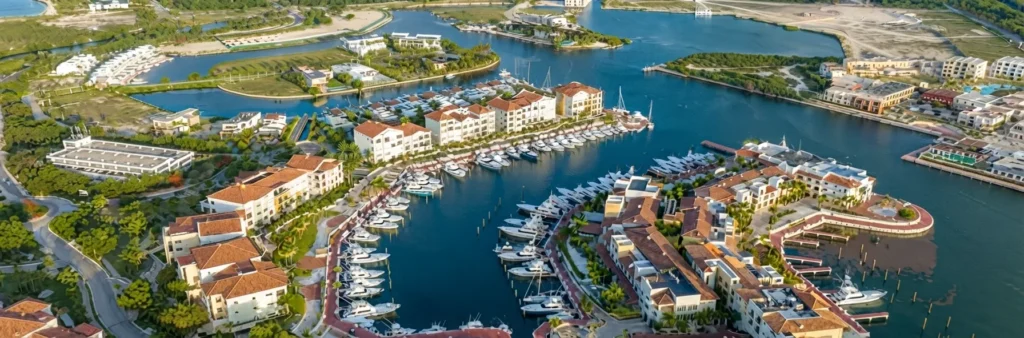
Marina Cap Cana Yachting
Marina Cap Cana: The Ultimate Caribbean Luxury Marina, Yachting Hub, and Real Estate Investment Destination…
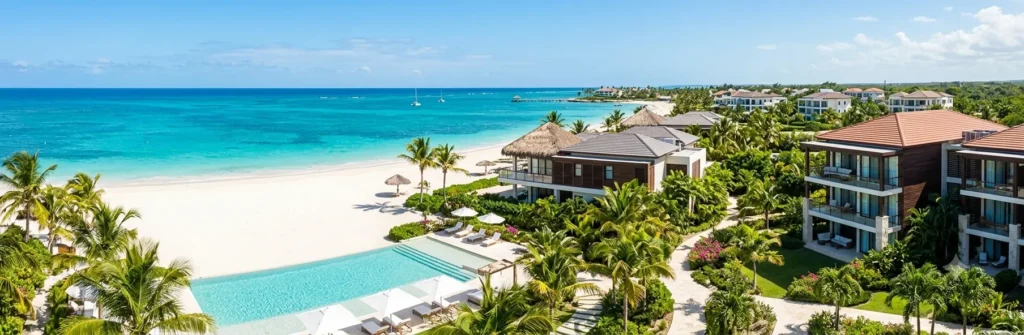
Where to Invest in the Caribbean?
Punta Cana vs. Tulum vs. Cancún: Where to Invest in the Caribbean? When an international…
Digital Nomad Guide
Living and Remote Working in Punta Cana: A Digital Nomad Guide The profile of the…

Bank Account in Punta Cana
How to Open a Bank Account in Punta Cana as a Foreigner to Buy a…
Living in Cap Cana
What Is It Like Living in Cap Cana? Essential Services & Exclusivity for Residents Punta…
Is It Safe to Invest in Dominican Republic Real Estate
Is It Safe to Invest in Dominican Republic Real Estate in 2026? Real Risks and…