
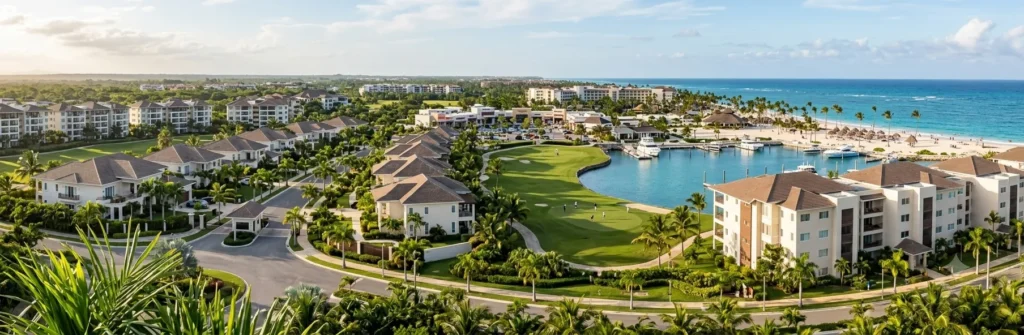
Is It Safe to Invest in Dominican Republic Real Estate in 2026? Real Risks and Mitigation
When analyzing a real estate market boasting annual rental yields exceeding 8% and unstoppable tourism growth, it is completely natural to ask the big question:
Is it safe to invest in the Dominican Republic?
The short answer is yes, but with important nuances. No market in the world is entirely risk-free. Anyone telling you that a Caribbean real estate investment is 100% safe and idyllic isn’t being completely transparent. The success and security of your capital do not depend on the country itself, but rather on how you manage risk and who you choose as your local partner.
Below, we address the most frequent questions from international buyers, breaking down the actual risks of the Punta Cana real estate market trends in 2026 and showing you exactly how to bulletproof your capital.
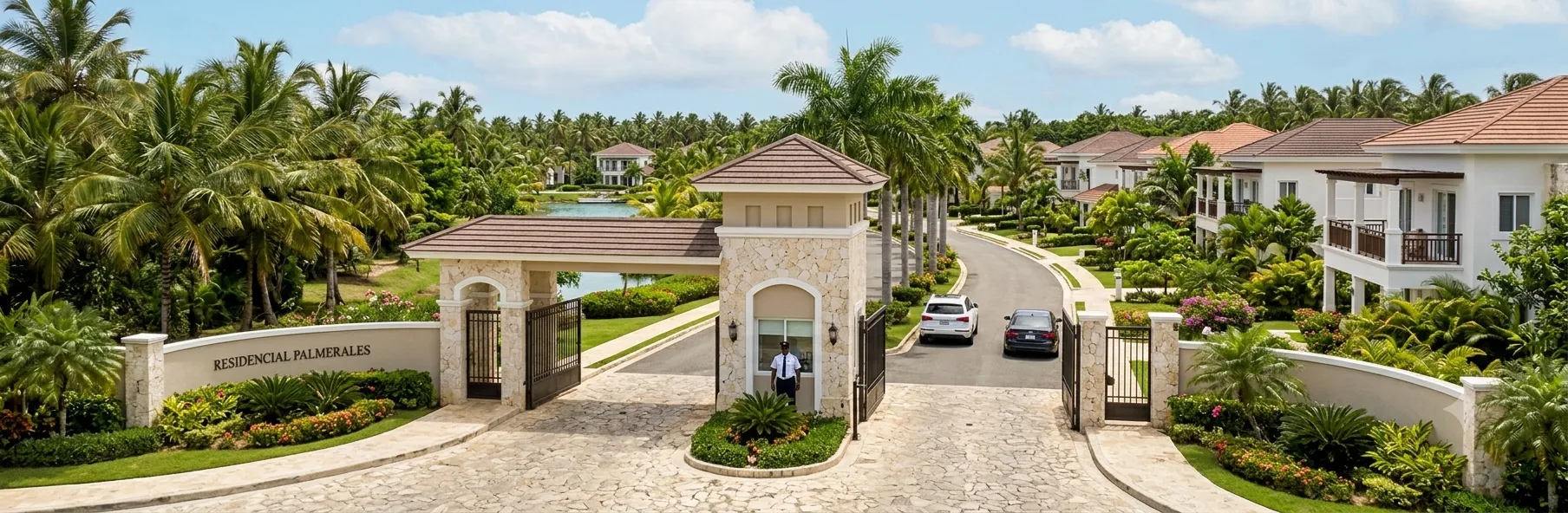
Invest in Dominican Republic Real Estate: Property Title Protection and Due Diligence
This is the number one concern for North American and international buyers. Historically, a lack of central organization in title registries created a risk of duplicate titles or property boundary disputes.
- The Current Reality of Dominican Republic: The country operates under a modern Real Estate Registration Law (Ley de Registro Inmobiliario), using a state-backed “Torrens System” similar to Australia, Canada, and parts of the US. If a property has a clear, independent title (título deslindado), your ownership rights are just as protected as they would be in the US or Europe.
- How to mitigate it: Never submit a reservation deposit without having an independent, local real estate attorney (not the developer’s in-house lawyer) conduct thorough legal Due Diligence. This audit verifies that the land is free of liens, the builder holds up-to-date environmental and building permits, and the title is properly subdivided and registered.
Construction Risk: Delays vs. Trusted Developers
Buying pre-construction properties in Punta Cana offers the lowest entry prices and the highest capital appreciation potential, but it introduces the risk of construction delays or, worst-case scenario, developer insolvency.
- The Current Reality: The massive real estate boom in the region has attracted dozens of new developers. While the majority are highly professional, some newer companies lack sufficient capital or experience, relying solely on pre-sales cash flow to fund construction.
- How to mitigate it:
- Developer Track Record: Only invest with developers who have a proven history of successfully delivered projects in the region.
- Dominican Republic Bank Fiduciary Protection (Fideicomiso): Prioritize projects backed by an institutional trustee (Fiduciaria), which are heavily regulated banking entities that manage project funds. With a trust structure, your money doesn’t go into the builder’s corporate account; instead, it goes into a secure fund that only releases capital as construction phases are officially certified.
Dominican Republic Market Risk: Is There a Property Bubble in Punta Cana?
Given the high volume of new developments in areas like Bávaro, Downtown, and El Cortecito, some investors worry about market saturation, which could lead to falling occupancy rates or a drop in property values.
- The Current Reality: Tourism numbers continue to break records year after year, heavily supported by the massive flight connectivity of the Punta Cana International Airport (PUJ). There is no real estate bubble because purchase prices per square foot remain significantly lower than in competing Caribbean destinations (such as the Bahamas or the Riviera Maya), and the demand for vacation rentals and long-term expat housing remains exceptionally strong.
- How to mitigate it: Focus on hyper-local positioning. Never buy based on price alone. A turnkey condo with beach access or an estate inside an exclusive community featuring world-class amenities (such as championship golf courses, private beach clubs, or artificial lagoons) will retain its market value and rental appeal regardless of broader supply.
Climate Risk in Dominican Republic: Tropical Weather and Property Protection
As a Caribbean nation, the potential for tropical storms or hurricanes is a frequent question among foreign buyers looking at coastal properties.
- The Current Reality: Punta Cana occupies a highly privileged geographical position on the eastern tip of the island, which naturally deflects or weakens most severe weather systems. Furthermore, Dominican structural codes are exceptionally strict regarding seismic and hurricane-resistant concrete engineering.
- How to mitigate it: Ensure your chosen residential community features professional on-site property management and year-round maintenance. Additionally, comprehensive property insurance (covering natural disasters and loss of rental income) is remarkably affordable in the Dominican Republic relative to total asset value, making it a low-cost, mandatory safeguard for your annual budget.
Smart Investors Don’t Buy Blindly
Answering “Is it safe to invest in Dominican Republic real estate?” comes down to execution. In 2026, this market remains one of the most lucrative financial opportunities in global real estate, provided you follow the rules of the game: hire independent legal counsel, select established developers, leverage bank-backed trusts, and secure premium locations.
At Punta Cana Top House, we stand for total transparency. Our job isn’t to sell you a digital rendering. We filter the entire local market on your behalf, presenting only the projects that have successfully cleared our rigorous legal and structural safety benchmarks.
If you want to explore vetted, secure real estate investments in the area, contact us today. We protect your capital by speaking clearly.

Real Estate Attorneys
Real Estate Attorneys in Punta Cana: The Ultimate Buyer’s Guide for Foreign Investors Buying a…

Property Buying Process
How Long Does the Property Buying Process Take in Punta Cana? Realistic Timelines One of…

MORPH Studio Development
Vanguard and Sophistication in the Caribbean: How MORPH Studio is Redefining Real Estate Development in…

How to Retire in Punta Cana
How to Retire in Punta Cana: Pensioner Visa, Cost of Living, and What No One…
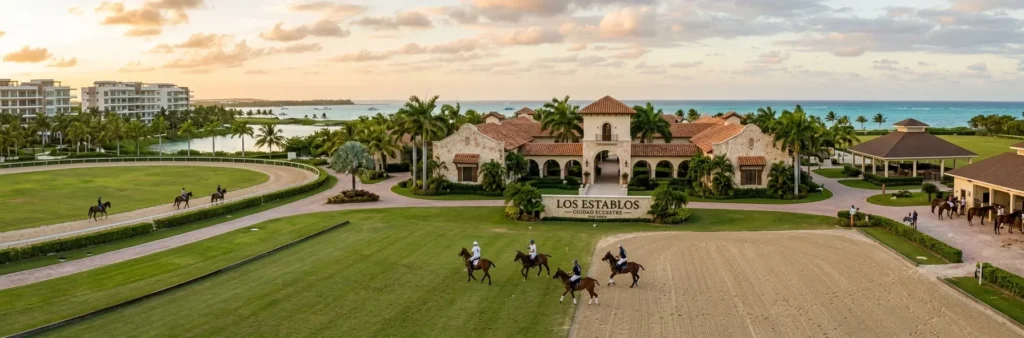
Los Establos Cap Cana
Los Establos Equestrian City: The Epicenter of Elegance and Lifestyle in Cap Cana Los Establos…
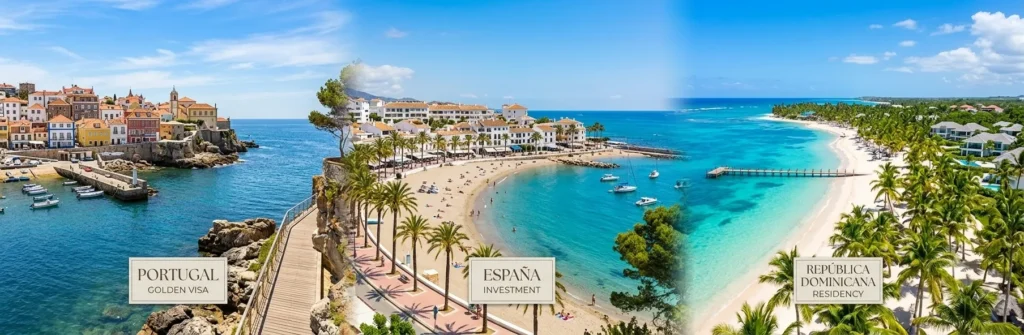
Real Estate Investment Residency
Real Estate Investment Residency 2026: Dominican Republic vs. Spain vs. Portugal Over the last decade,…