

Can a Non-Resident Get a Mortgage on a Property in Punta Cana? (2026 Guide)
One of the most recurring doubts among foreign investors, expats, and retirees who decide to purchase real estate in the Caribbean is whether it is possible to use financial leverage at their destination.
If you are wondering how to buy property in Punta Cana as a foreigner or can a US citizen get a mortgage in the Dominican Republic, the short answer is: yes, absolutely. The Dominican financial system is fully accustomed to working with international buyers and offers specific cross-border mortgage products for US, Canadian, European, and Latin American citizens.
Below, we analyze the actual conditions for non-resident property financing in 2026, the main banks leading this segment, the legal tax incentives available, and the smartest payment alternatives to avoid heavy bank bureaucracy.
Main Banks and Conditions for a Foreigner Mortgage in Dominican Republic
Dominican banking entities look very favorably upon the profile of foreign investors, especially in high-appreciation, high-ROI areas like Punta Cana, Bávaro, and Cap Cana. The three leading institutions offering mortgages for non-residents in Punta Cana are:
- Banco Popular Dominicano and Banreservas: As the two largest local entities, both feature specialized tourism real estate departments that streamline paperwork and pre-approval for international buyers.
- Scotiabank Dominican Republic: As a Canadian-based multinational entity with a deep footprint in the country, Scotiabank offers an agile, familiar lending structure specifically tailored for Canadian and US mortgage applicants.
Standard Terms for Non-Resident Mortgage Rates in Punta Cana (2026)
- Loan Currency: Mortgages for foreigners are primarily granted in US Dollars (USD) to protect both the bank and the investor from local currency volatility, though Dominican Pesos (DOP) remain an option.
- Loan-to-Value (LTV) Ratio: Banks typically finance between 50% and 70% of the property’s official appraisal value (tasación). This means buyers must provide a down payment of 30% to 50% from their own capital.
- Repayment Terms: Amortization periods for international borrowers range from 10 to 25 years, depending heavily on the applicant’s age at the time of approval.
- Interest Rates: For USD mortgages in the Dominican Republic, interest rates generally fluctuate between 7.5% and 9.5% fixed annually (subject to periodic reviews tied to international monetary policy).
Requirements & Documents to Apply for a Mortgage in Punta Cana From Abroad
Although you do not need legal residency or a local credit score to qualify, you must demonstrate strong financial standing in your home country. When applying for non-resident home loans in the Caribbean, local underwriting will require the following basic documentation (translated into Spanish and apostilled where applicable):
- Identification: A valid passport and a second official ID (Driver’s License or State ID).
- Tax Solvency: Tax returns from the last two consecutive years (e.g., IRS Form 1040 for US citizens, T1 for Canadians, or IRPF for Europeans).
- International Credit History: An official credit report from your country of origin (Equifax, Experian, or TransUnion). Dominican risk departments verify these scores directly.
- Proof of Income: Bank statements from the last 6 months, plus job verification letters (for employees) or audited financial statements and corporate tax returns (for self-employed entrepreneurs).
Tax Incentives: Buying CONFOTUR Properties in Punta Cana
When financing a property, keeping closing costs low is critical. A major advantage of investing in Punta Cana real estate is the CONFOTUR Law (Law 158-01).
Properties built under CONFOTUR offer foreign buyers exceptional tax exemptions:
- Exemption from the 3% Transfer Tax on property title transfer at the time of purchase.
- Exemption from the 1% Annual Property Tax (IPI) for up to 15 years.
Investor Tip: Choosing a CONFOTUR-certified pre-construction project allows you to allocate savings directly toward your initial mortgage down payment or closing expenses.
Closing Costs and Hidden Fees When Financing Real Estate in the Dominican Republic
Beyond the property price, buyers securing a local mortgage should budget an additional 3% to 5% for loan closing costs. These typically include:
- Property Appraisal Fee (Tasación): $300 – $600 USD.
- Mortgage Registration Tax: 2% of the registered loan amount (applied by the Tax Authority / DGII).
- Bank Administrative & Processing Fees: Usually 1% to 1.5% of the total loan amount.
- Life and Property Insurance: Mandatory policies required by Dominican banks to cover the mortgage balance.
- Legal & Notary Fees: $1,000 – $2,000 USD for closing attorney services.
The Smart Alternative: Direct Developer Payment Plans (No Bank Bureaucracy)
Many foreign buyers purchasing pre-construction condos for sale in Punta Cana find that turning to traditional banking is not always necessary or cost-effective. The most popular financing method in the Dominican Republic is direct developer financing during construction.
How Off-Plan Payment Plans Work
When buying pre-construction, top-tier developers offer 0% interest financing structured over the 18, 24, or 36 months of construction:
- Reserve Fee: Typically $2,000 to $5,000 USD to block the unit.
- Contract Signing Down Payment: 10% to 20% within 30 days.
- Construction Period Installments: 30% to 40% paid in flexible monthly, quarterly, or milestone installments during construction.
- Final Delivery Balance: The remaining 40% to 50% paid upon completion and key handover.
The Hybrid Leverage Strategy
Many smart investors pay the initial 50% via developer installments while the property is built. Upon delivery, they choose whether to settle the remaining balance using personal funds or take out a short-term Dominican mortgage for the final portion.
This approach minimizes long-term interest payments while capitalizing on short-term rental income (Airbnb) to pay off the remaining balance.
Can Short-Term Rental Income (Airbnb) Cover Your Mortgage?
Punta Cana is one of the highest-yielding vacation rental markets in the Americas. High occupancy rates in prime tourism hubs (like El Cortecito, Los Corales, and Cap Cana) allow many non-resident buyers to leverage vacation property rental income to offset or completely cover their monthly bank mortgage payments, HOA fees, and property management expenses.
Secure Leverage for Your Investment with Punta Cana Top House
Applying for a mortgage in the Dominican Republic as a non-resident is a fully regulated, secure, and viable process that enables you to multiply your purchasing power in the Caribbean real estate market. The key to a smooth transaction lies in pre-qualifying your finances prior to making a property reservation.
At Punta Cana Top House, we maintain direct partnerships with international credit directors at Banreservas, Banco Popular, and Scotiabank. We assist you through the entire underwriting process—from preparing your financial file to securing competitive interest rates and matching you with developer payment plans optimized for cash flow.
Ready to explore your financing options? Contact our expert team today for a personalized financial evaluation and start building your Caribbean real estate portfolio.
Residency by Investment in the Dominican Republic
Residency by Investment in the Dominican Republic: The Ultimate Guide for Overseas Buyers Punta Cana…

How to Retire in Punta Cana
How to Retire in Punta Cana: Pensioner Visa, Cost of Living, and What No One…
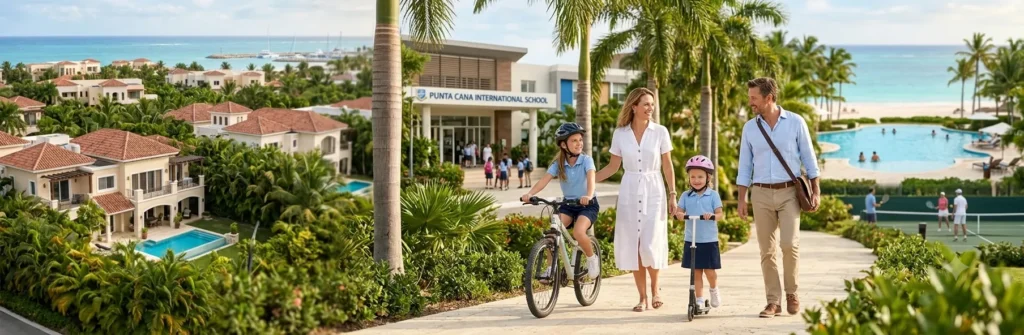
Punta Cana for Families
Punta Cana for Families: Schools, Safety, and Why Expats Are Relocating The dream of raising…

Larimar Smart City & Resort
Larimar City & Resort: How the Caribbean’s First Smart City Redefines Punta Cana Real Estate…
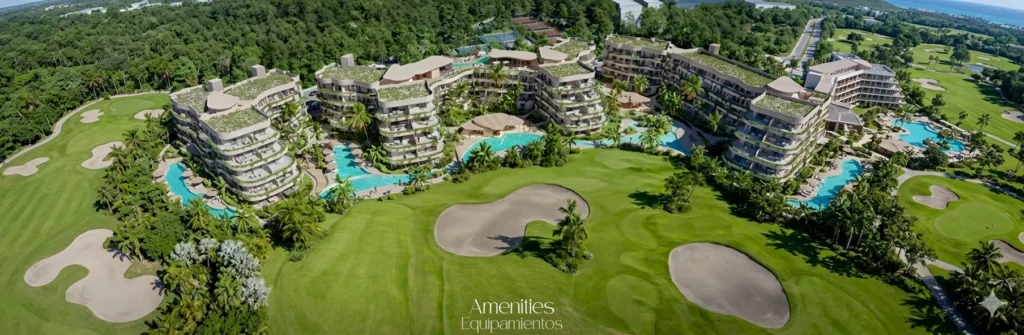
Costs of Buying an Apartment
Costs of Buying an Apartment in Punta Cana: Taxes, Hidden Fees, and Net Profitability Are…

Property Buying Process
How Long Does the Property Buying Process Take in Punta Cana? Realistic Timelines One of…